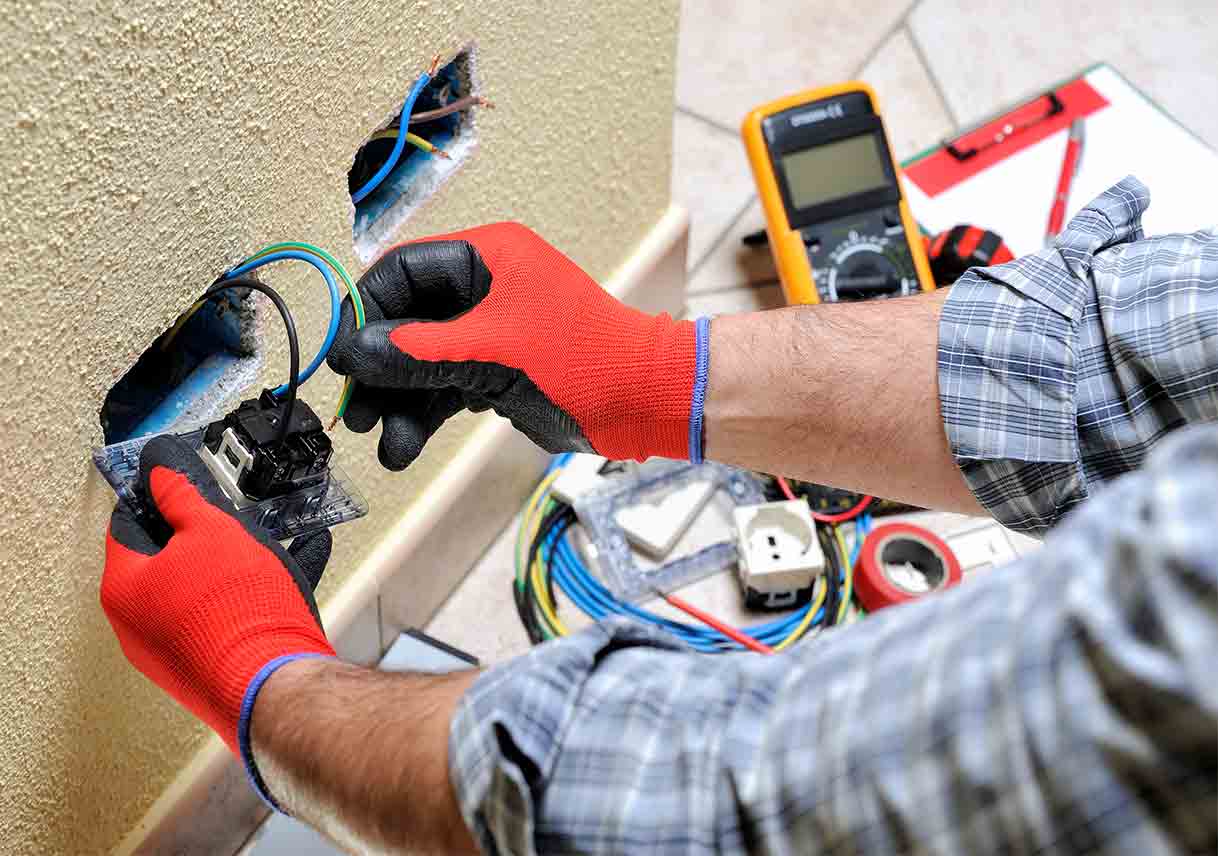


The electrical panel is an essential component of your home’s electrical system. Within the panel are circuits, which carry electricity throughout your home to outlets, lights, and appliances. The number and size of the circuits determine your home’s electrical capacity.
If you’re experiencing electrical problems like the ones you’ll learn about in this article, it might be time for an upgrade.
The first step in the upgrade process is determining your home’s electrical load. Do you have enough amps to meet your electrical needs? If you think about electricity like water flowing through your home, an amp is the rate at which electricity flows. A few decades ago, 60 amps was enough to suit the needs of the average American household. Today, 100 amps is standard in the average home, with larger homes that use a lot of electricity needing 150 to 200 amps.
Panel updates give your home the ability to process more power and distribute it throughout your home more effectively and efficiently. When it comes to upgrading your electrical panel, you have several options:
- Upgrade panel to bring more power from the utility into your home
- Replace meter and circuit breaker with one that can handle more power
- Replace components that are old or damaged
- Add circuits so you can add more outlets in your home
- Replace problem-causing circuits to remove electrical dangers
- Upgrade circuits to meet current electrical safety standards
 Signs of Electrical Problems in Your Home
Be on the lookout for any of the following signs of a possible problem. If your home is experiencing any of these issues, call a professional to inspect your electrical system, because it might be time for an electrical panel upgrade.
- Electrical shocks. Mild shocks and tingling can mean that the wiring is defective or that it was improperly installed. If this is the case, there’s a risk of ‘electrical leakage’ when you touch the switch or outlet.
Benefits of a New Electrical Panel
What can you expect after installing a new electrical panel?
Peace of mind. Your home will be better protected from electrical hazards like overloaded circuits. A panel upgrade also decreases the risk of electrical fire.
Added value. A new electrical panel increases your home’s resale value, gives you the ability to add more appliances, and better protects expensive electronic equipment.
Lower costs. While the upgrade will cost you up front, it will save you money over time. A safer electrical system often translates into lower home insurance costs. You’ll also use less electricity if your house is running more efficiently, so you can also expect your electric bills to be lower.
 Electrical Panel Upgrade Process
Upgrading an electrical panel is a complicated process that requires an advanced skill set and coordination between the electrician and the electric utility and/or service provider. Expect these jobs to take anywhere from eight to ten hours depending on the complexity of the update.
Here’s an overview of what you can expect during a typical electrical panel upgrade:
- Burning odors or sparks. The occasional spark is not unusual, but large or frequent sparks can be signs of deteriorated wiring or a faulty circuit. Also pay attention to warm or discolored outlets. Whether the cause is faulty wiring or an overloaded circuit, you’ll want to talk to an electrician about these issues. Because of everything that’s involved in an electrical panel update, it’s important to hire a qualified and licensed professional to perform this work.
Bottom Line
If you think it might be time to upgrade your home’s electrical panel, call an electrician to check out your system. Make sure you consider the electrical load and consider giving yourself some room to grow (especially if you’re planning on adding appliances or additions to your home).
Know your upgrade and update options, be aware of the danger signs, and consider the long-term benefits of upgrading your electrical panel. And when it’s time to make a move, call a professional you can trust.